Navigating Friendship: Helping Your Exceptional Child Build Meaningful Relationships
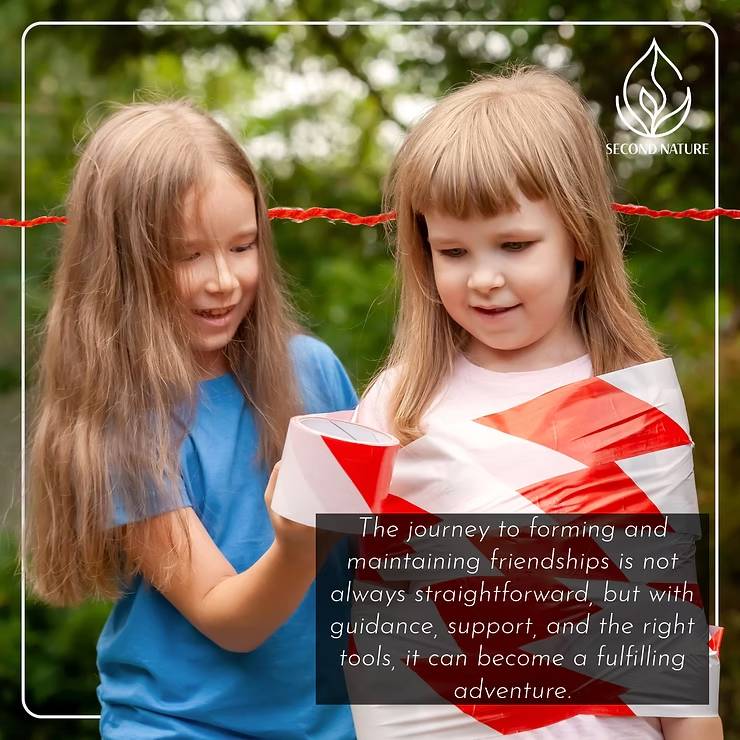
Friendship is a beautiful tapestry woven from the threads of connection, understanding, and shared experiences. For exceptional children, particularly those with ADHD and other social challenges, this tapestry can sometimes feel intricate and complex to navigate. The journey to forming and maintaining friendships is not always straightforward, but with guidance, support, and the right tools, it can become a fulfilling adventure.
 by Anastasia Machan02 May 2026
Understanding the Social Journey
Children with exceptionalities like ADHD often encounter unique hurdles in the social realm. They may struggle with impulse control, understanding social cues, or may become easily overwhelmed in group settings. These challenges can make the already intricate dance of friendship seem even more complicated.
Strategies for Fostering Social Skills
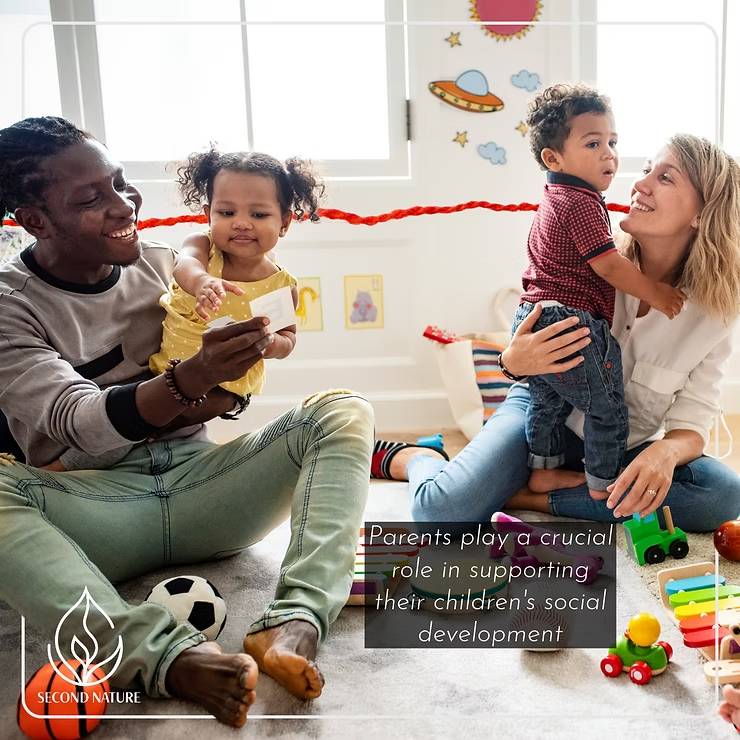
Parents play a crucial role in supporting their children’s social development. Here are some strategies to consider:
Skill Building Through Play: Engage your child in role-playing games that simulate social scenarios. This can help them practice responses and interactions in a low-stress environment.
Social Narratives: Use stories and books to discuss social situations and appropriate behaviors. This can help your child understand and predict social outcomes.
Positive Reinforcement: Celebrate your child’s social successes, no matter how small. Positive reinforcement encourages repeat behavior.
Environments Conducive to Friendship
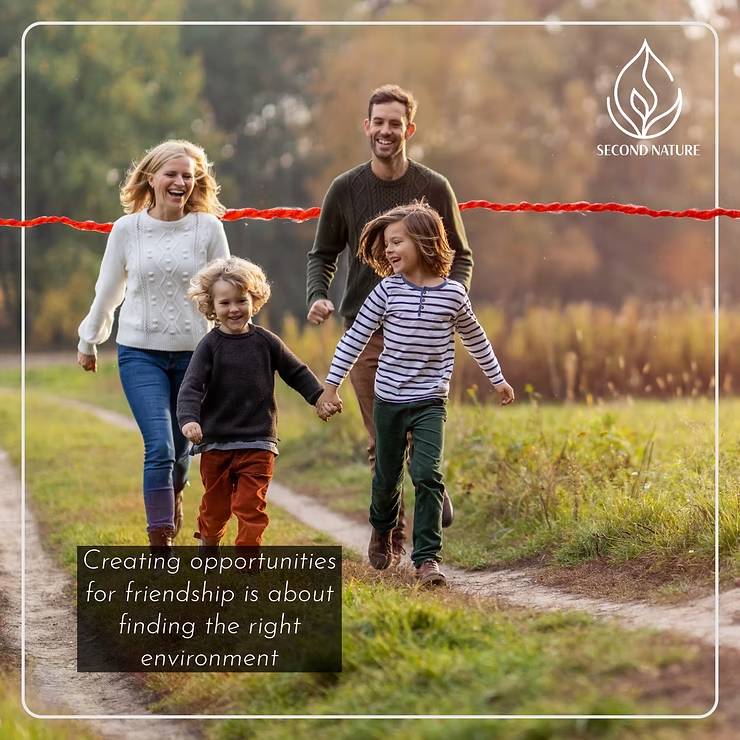
Creating opportunities for friendship is about finding the right environment:
Structured Playdates: Start with short, structured playdates with one or two peers. This can help manage overstimulation and allow your child to focus on interaction.
Interest-Based Groups: Encourage your child to join clubs or groups based on their interests. Shared passions can be the foundation of strong friendships.
Family Involvement: Be present and involved, but also allow space for independent interaction. Balance is key.
The Role of Parental Modeling
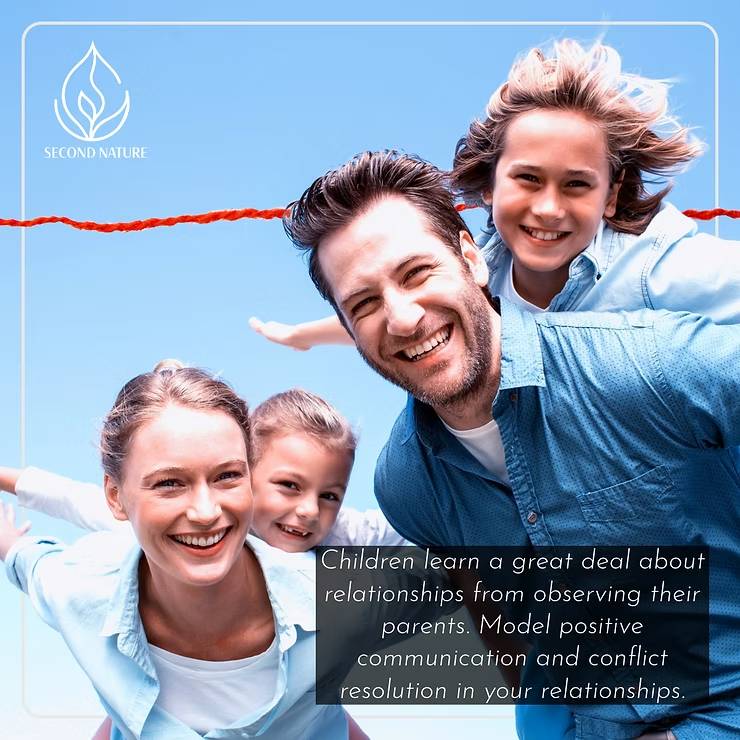
Children learn a great deal about relationships from observing their parents. Model positive communication and conflict resolution in your relationships. This sets a standard for healthy interaction.
A Journey of Patience and Persistence
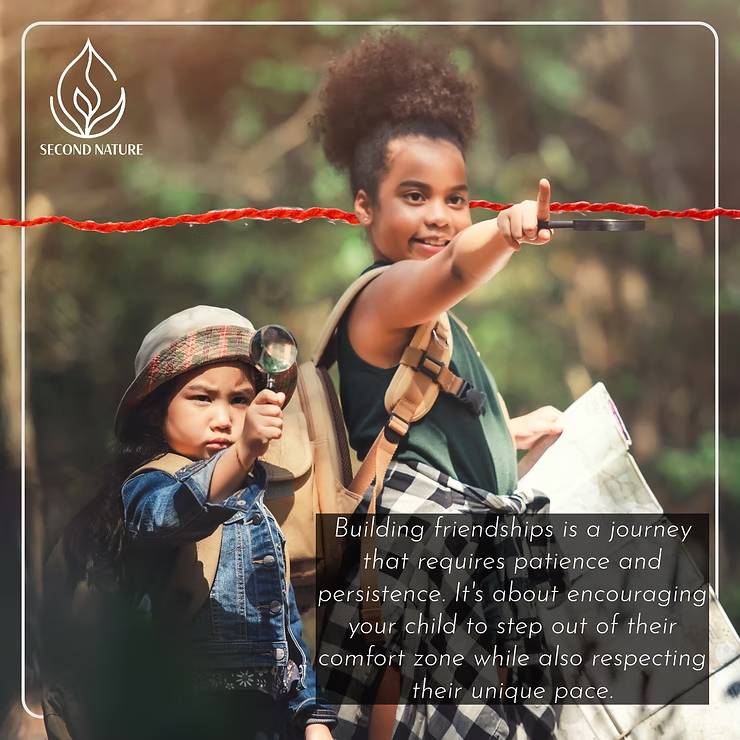
Building friendships is a journey that requires patience and persistence. It’s about encouraging your child to step out of their comfort zone while also respecting their unique pace. Every new word exchanged, every shared laugh, and every playdate is a step towards lasting friendships.
In conclusion, helping your exceptional child weave their own tapestry of friendships is a process filled with learning, growth, and love. With your support, they can navigate the social world with confidence and build relationships that enrich their lives and the lives of their peers.
Anastasia Machan
Founder Second Nature Family
📅 02 May 2026
Testimonials
second nature school testimonials
Stories from the parents and children who call Second Nature home.

Second Nature has been a place where my son is welcome, just as he is. That alone changed everything for our family.
T
Trish - ParentDealing with our son's challenging behaviour had become overwhelming for our family. It felt like every day was a battle. Second Nature helped us find a way forward. We feel supported by their community.
A
Adam - ParentWe finally found a space that feels safe, gentle, and deeply understanding. Our child feels seen here, and that has made all the difference.
M
Maria - ParentThe team truly understands neurodivergent families. We never feel judged, only supported and guided with compassion.
S
Sarah - Parent