- Home
- Our Services
- Play Therapy
Play Therapy
Gentle, child-centered play therapy in Ottawa and Kemptville, where healing happens through the language children already speak: play.
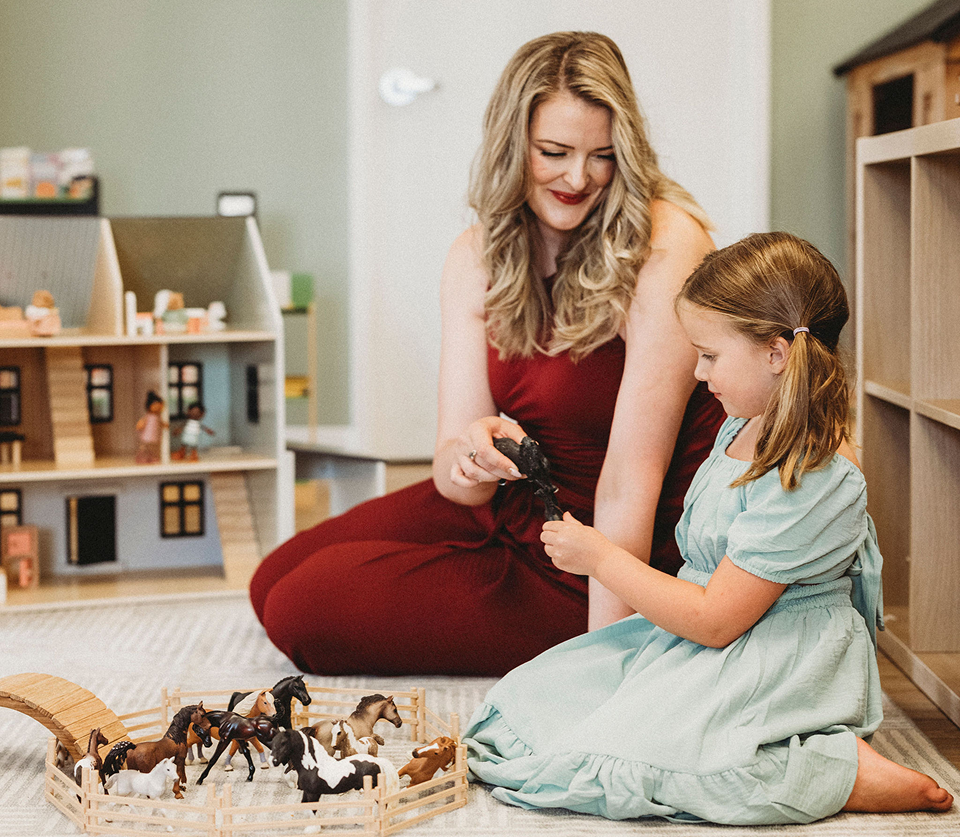
"Play is the work of childhood and sometimes, the work of healing too. Every child deserves a space where their play is taken seriously, honored, and held with care."
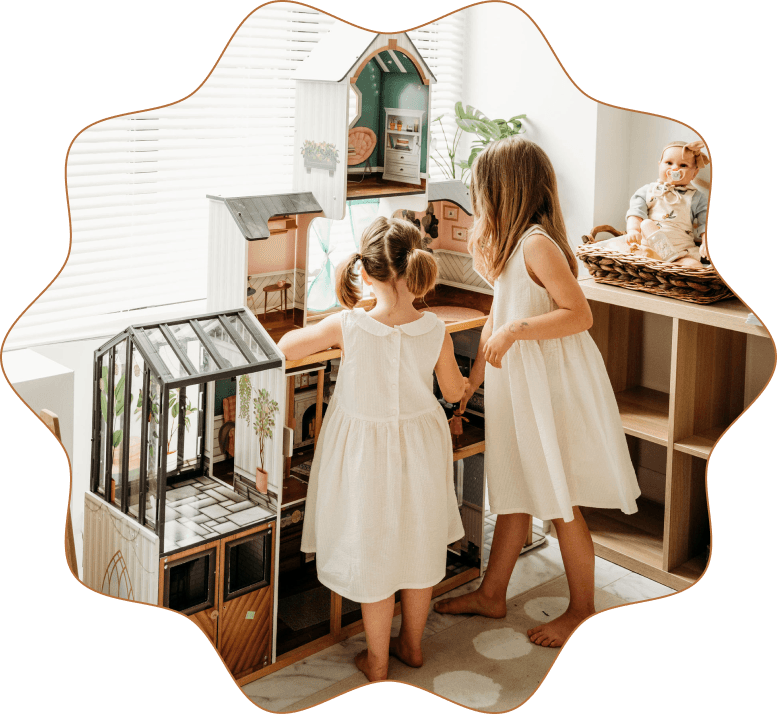
Unlock Joy & Growth Through Play
Nurture the Soul, Nurture the Mind, Nurture the Body.
Play therapy at Second Nature is a therapeutic journey for young minds: a supportive space where children can explore emotions, process experiences, and develop essential life skills, all through the medium they understand best.
For children, play isn't just fun. It's how they think, feel, communicate, and make sense of the world. When kids don't yet have the words for what they're carrying, big emotions, transitions, trauma, anxiety, or loss, play becomes the bridge. Our trained therapists meet children in that space, using play as a powerful tool for healing and self-expression.
Every session is child-led and neuro-affirming. We don't direct the play. We follow your child's lead, honor their rhythm, and create the safety and trust that allow real growth to unfold at their pace, in their language.
Play Therapy For Every Stage Of Childhood
Play therapy works best for children who are still building the language to name what they feel. We support kids from toddlerhood through pre-teen years, and walk alongside the families holding them.
Early Years (3–6)
Gentle, sensory-rich play therapy for young children navigating big feelings, transitions, attachment, or early signs of anxiety and emotional dysregulation.
School-Age Children (6–10)
A safe, judgment-free space for kids processing anxiety, behavioral challenges, friendship struggles, trauma, autism or ADHD-related experiences, and the everyday weight of growing up.
Pre-Teens (10–12)
As kids grow, play evolves: storytelling, games, art, and expressive activities become the language of connection. We meet pre-teens in the in-between, honoring both their playfulness and their emerging sense of self.
Families & Caregivers
We share what we're noticing, what your child is working through, and practical strategies you can use at home. Because lasting change happens when the whole family system is supported.
Every session is shaped around the child, their sensory profile, their story, and their pace.
How We Work
Our approach to play therapy is rooted in relationship, respect, and a deep belief that children already know how to heal when given the right space to do it.
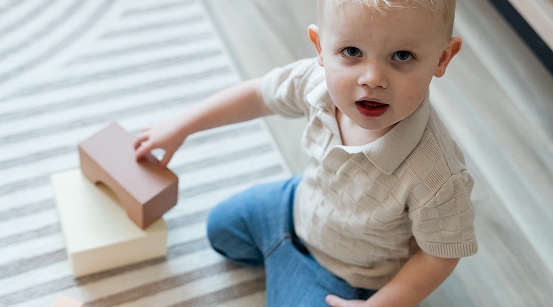
Areas We Support
Our play therapists support children navigating a wide range of emotional, developmental, and relational experiences, always tailored to the child in front of us.
Big Emotions & Regulation
Gentle support for kids working through anger, overwhelm, meltdowns, or difficulty recognizing and expressing their feelings.
Anxiety & Worry
A safe space for children carrying worry, whether it shows up as school refusal, separation anxiety, physical symptoms, or quiet, internal fear.
Trauma & Big Experiences
Trauma-informed play therapy for children processing difficult experiences: loss, medical events, family transitions, or experiences too big to put into words.
Autism & Play Therapy
Neuro-affirming play therapy for autistic children, honoring their play style, sensory needs, and communication preferences without trying to reshape them.
ADHD & Emotional Support
Active, engaging play therapy for kids with ADHD, building emotional regulation, self-esteem, and confidence in ways that fit how their brain works.
Behavioral Challenges
We look at the meaning behind the behavior. Together we help children build the skills and safety they need to move through the world more easily.
Social & Friendship Skills
Through play, children practice turn-taking, empathy, boundaries, and connection, building the social confidence that spills into friendships and classrooms.
Life Transitions
Moves, new siblings, parental separation, grief, or changes to routine, play therapy helps children process transitions at a pace that feels manageable.
Self-Esteem & Confidence
For kids who have internalized that something is "wrong" with them, play becomes a place to rediscover their strengths, their voice, and their right to take up space.
What To Expect
Starting play therapy can feel uncertain, especially when you're not sure how "play" will help. Here's what the process looks like with us.
Reach Out
Book online or call us. We'll match your child with a play therapist based on their profile, your concerns, and what you're hoping therapy will support.
Parent Intake
Before we meet your child, we meet you: a warm, relaxed conversation to understand your child's history, strengths, struggles, and the hopes you're carrying, so therapy starts from informed, genuine care.
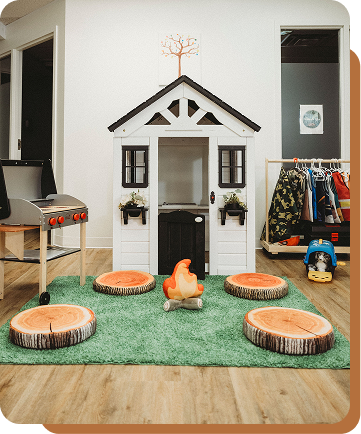
Tailored Play Sessions
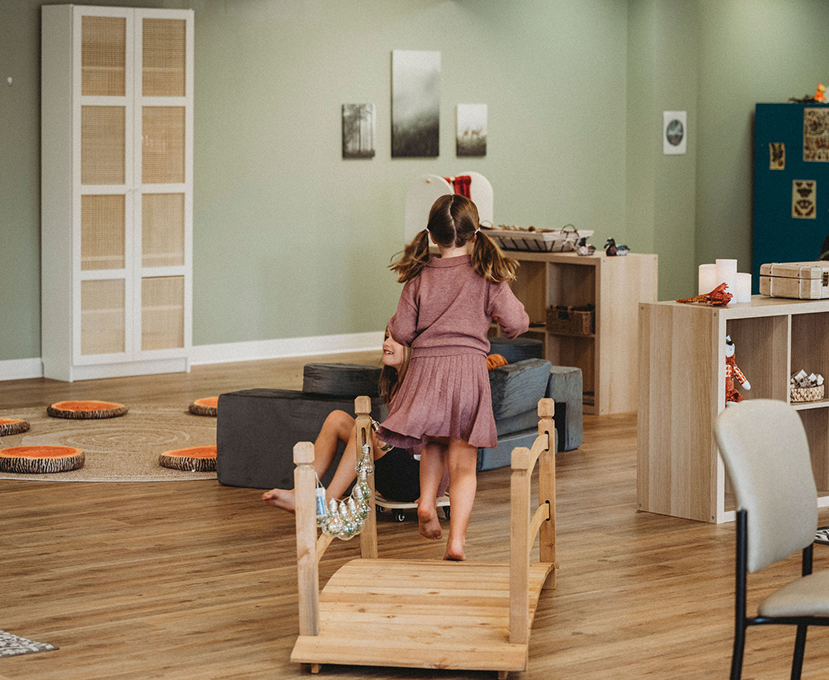
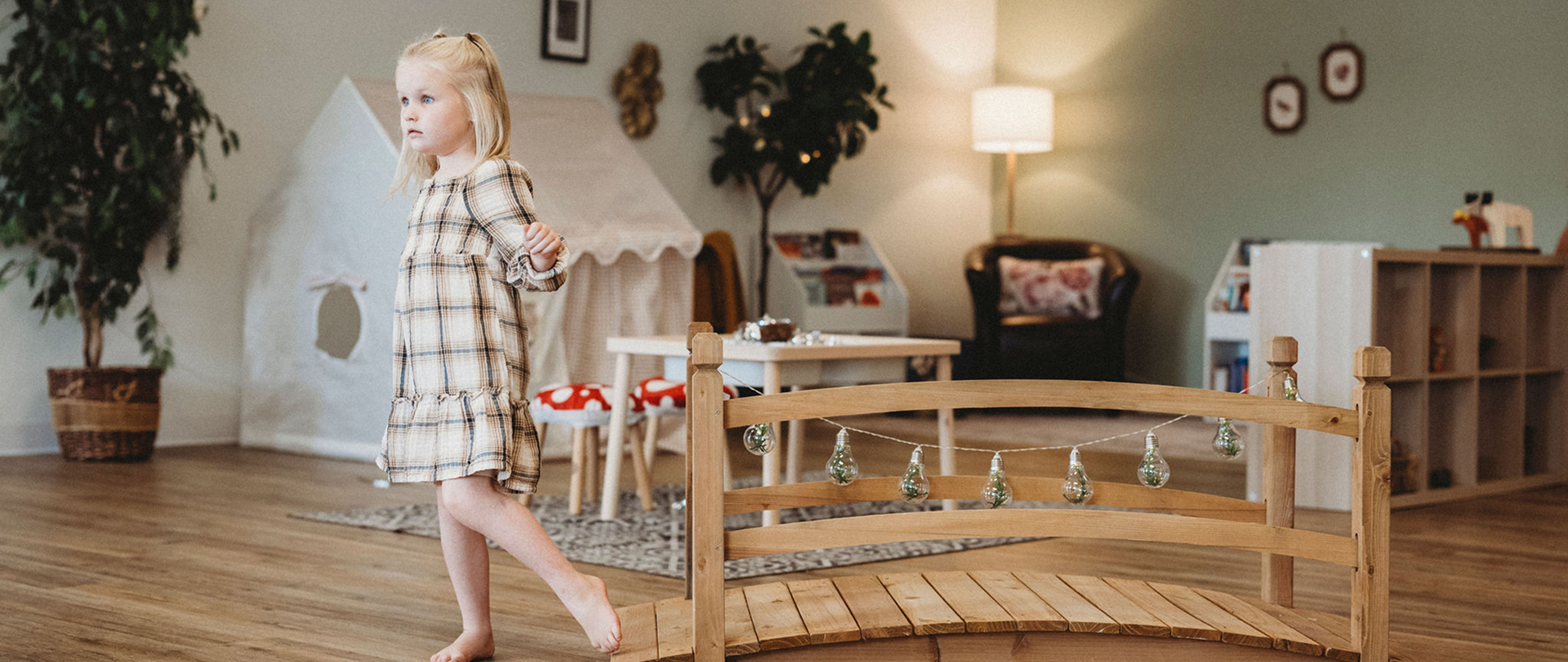
Ongoing sessions in our home-like play therapy space, filled with toys, art supplies, sand, and expressive tools. Your child leads; we follow, reflect, and gently hold the space.
Grow Together
We meet with parents regularly to share what we're noticing, celebrate progress, and offer practical strategies for home. Therapy isn't a closed room; it's a partnership.
second nature school testimonials

A Gentle Haven Where Every Child Is Seen.
We are here to listen, hold space, and walk alongside your family through whatever your child is carrying. Together, through play, we'll help them find their way back to joy, confidence, and self, right here in Ottawa and Kemptville.


Professionals With Real Life Experience
Our play therapists are psychotherapists, mental health counselors, and early childhood professionals, all trained in child-centered play therapy, trauma-informed care, and neuro-affirming practice.
















Becca Palmer
Director of Human Resources
Qualified Professionals Recognized By:





Frequently Asked Questions
Have something else on your mind? We're always happy to chat before you book.
Play therapy is a form of therapy where play becomes the primary language of healing. Because young children don't yet have the vocabulary or abstract thinking to process big experiences through talk therapy alone, trained therapists use toys, art, sand, storytelling, and expressive play to help children explore emotions, work through difficult experiences, and build new skills, all in a way that feels natural to them.
In a typical session, your child enters our play therapy space and chooses how they want to engage. Our therapist observes, reflects, and gently participates, following the child's lead rather than directing the play. Over time, children use the symbolic world of play to express, process, and work through what they're carrying. Healing happens through the safety of the relationship and the creativity of play itself.
Yes and our approach is deeply neuro-affirming. We don't try to make autistic children play in a "typical" way. We follow their play style, honour sensory needs, respect scripting and repetitive play as meaningful, and build therapy around who your child actually is, not who someone thinks they should be.
Sessions happen in our warm, home-like play therapy space stocked with toys, art supplies, puppets, sand, and expressive tools. Your child chooses what to play with; our therapist follows their lead, notices patterns and themes, and gently reflects what's happening emotionally. Every session is different because every child is different and that's the point.
Play therapy is typically most effective for children ages 3 to 12, though elements of it can work for older kids and even teens through expressive arts and creative modalities. For younger children (3–6), play is often their primary language; for school-age children and pre-teens, it becomes one of many tools woven into therapy.
It varies. Some children benefit from short-term play therapy (8–12 sessions) around a specific concern; others need longer-term support, especially when working through trauma, significant transitions, or complex emotional needs. We'll revisit goals with you regularly so therapy always feels purposeful.
Yes. Play therapy is particularly effective for anxiety, behavioural challenges, and emotional dysregulation in young children. Through play, kids safely process the feelings underneath the behaviour, practise new regulation skills, and build the self-confidence that reduces anxiety over time.
The play sessions themselves are usually just for your child, so they feel free to fully express themselves. But parents are deeply involved in the process. We meet regularly to share what we're noticing, discuss progress, and offer practical strategies you can use at home. Play therapy is always a partnership.