
Play Therapy for Kids: What to Expect at Your First Session in Ottawa

Your child does not need to have the right words before starting therapy. Play therapy gives kids a gentle way to show feelings, build trust, and get support at their own pace.

Play Therapy for Kids: What to Expect at Your First Session in Ottawa
Anastasia Machanby Anastasia Machan02 Jul 2026
Child Therapy OttawaKids Therapy OttawaFirst Play Therapy SessionChild Counselling OttawaAutism Therapy OttawaADHD Support OttawaEmotional Support for KidsFamily Therapy Ottawa

Introduction

Booking your child’s first play therapy session can bring up a lot of questions. You may feel hopeful. You may also feel nervous.

You might wonder:

  • Will my child have to talk?

  • Will I stay in the room?

  • What if my child does not want to play?

  • What if they feel shy?

  • What will the therapist do?

These are normal questions. Many Ottawa parents look for play-based therapy for kids when their child is struggling with anxiety, big emotions, school stress, meltdowns, social challenges, autism, ADHD, sensory needs, or family changes.

The first session is not about forcing your child to explain everything. It is about helping them feel comfortable.

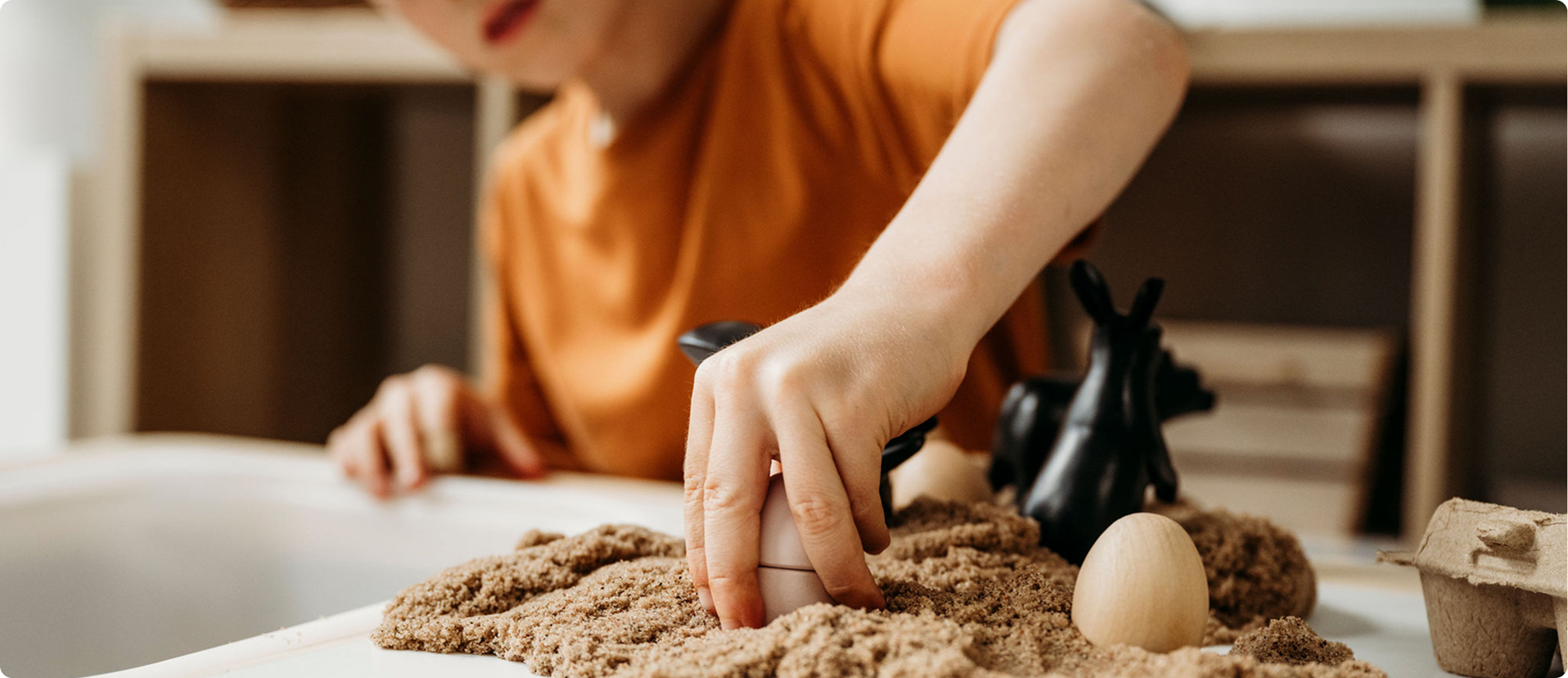
In simple words, play-based therapy uses toys, games, drawing, stories, and imagination to help children express what they may not be able to say with words.

For many kids, play feels easier than sitting and talking. That is why play-based therapy can be a helpful place to start.

Quick Summary: What Happens in the First Play-Based Therapy Session

Part of the Session

What It Means

Parent conversation

The therapist learns about your child and your concerns

Child introduction

Your child meets the therapist in a calm way

Room exploration

Your child may look at toys, games, books, or art supplies

Gentle play

The therapist follows your child’s comfort level

Simple rules

The therapist explains safety rules in child-friendly words

Parent check-in

You may get a short update or next steps

Future plan

The therapist may suggest what support could look like

What Is Play-Based Therapy?

Play-based therapy is support for children that uses play as the main way to communicate. Adults often use words to explain feelings. Children may not always be able to do that.

A child may not say:

  • “I feel worried.”

  • “School feels too hard.”

  • “I feel angry.”

  • “I miss someone.”

  • “I do not know how to explain this.”

But they may show those feelings through:

  • Drawing

  • Toys

  • Puppets

  • Games

  • Stories

  • Building

  • Pretend play

  • Movement

This does not mean the therapist is just watching your child play. The therapist is noticing what your child enjoys, what feels hard, how they make choices, and how they show feelings.

Play-Based Therapy Is Not Just Playing

This is a common question. If the child is playing, is it really therapy? Yes.

Play can help children show feelings they may not be ready to talk about.

For example, a child may use toys to show:

  • Worry

  • Anger

  • Sadness

  • Fear

  • Family stress

  • School problems

  • A need for control

  • A wish to feel safe

The therapist does not rush the child or force meaning into every toy choice. They slowly build trust and learn how your child sees the world.

Play-Based Therapy vs Regular Play

Regular Play

Play-Based Therapy

Usually for fun

Used to support feelings and behaviour

Can happen anywhere

Happens in a therapy space

No clear support goal

Has goals based on the child’s needs

Led by the child or friends

Supported by a trained therapist

Parents may not know what the play means

Therapist notices patterns and feelings

Focus is only on play

Focus is helping the child feel understood

Why Parents Choose Play-Based Therapy for Kids

Parents may look for play-based therapy in Ottawa when their child is having a hard time at home, school, or with emotions.

Play-based therapy may help children who are dealing with:

  • Anxiety

  • Big emotional reactions

  • Meltdowns

  • School refusal

  • Separation worries

  • Social struggles

  • Friendship problems

  • Family changes

  • Grief or loss

  • Low confidence

  • Anger

  • Sleep worries

  • Autism

  • ADHD

  • Sensory needs

  • Trouble talking about feelings

A child does not need a diagnosis to start therapy.

Sometimes parents simply notice:

“My child is struggling, and we need support.”

That is enough reason to ask for help.

What Happens Before the First Session?

Before the first play-based therapy session, there may be a parent conversation. This helps the therapist understand your child and family.

The therapist may ask about:

  • Your child’s age

  • Your child’s strengths

  • What your child enjoys

  • What feels hard right now

  • School or daycare concerns

  • Family changes

  • Sleep or daily routines

  • Big emotions or meltdowns

  • Sensory needs

  • Social challenges

  • What you hope therapy will help with

This is not about judging your parenting. It is about understanding your child better. Parents know their child best, so your input matters.

What to Tell Your Child Before Play-Based Therapy

Keep the explanation simple and calm.

You can say:

“We are going to meet someone who helps kids with feelings and hard days. You can play, draw, talk, or take your time.”

For younger children, you might say:

“It is a safe place with toys where someone will get to know you.”

For older children, you might say:

“You do not have to have perfect answers. You can talk or not talk. The therapist is there to understand you.”

Try not to say:

  • “You have to tell them everything.”

  • “They will fix you.”

  • “You need to behave there.”

  • “Do not be difficult.”

  • “You better talk.”

These phrases can make therapy feel scary. The goal is to help your child feel ready, not pressured.

What Your Child May See in the Therapy Room

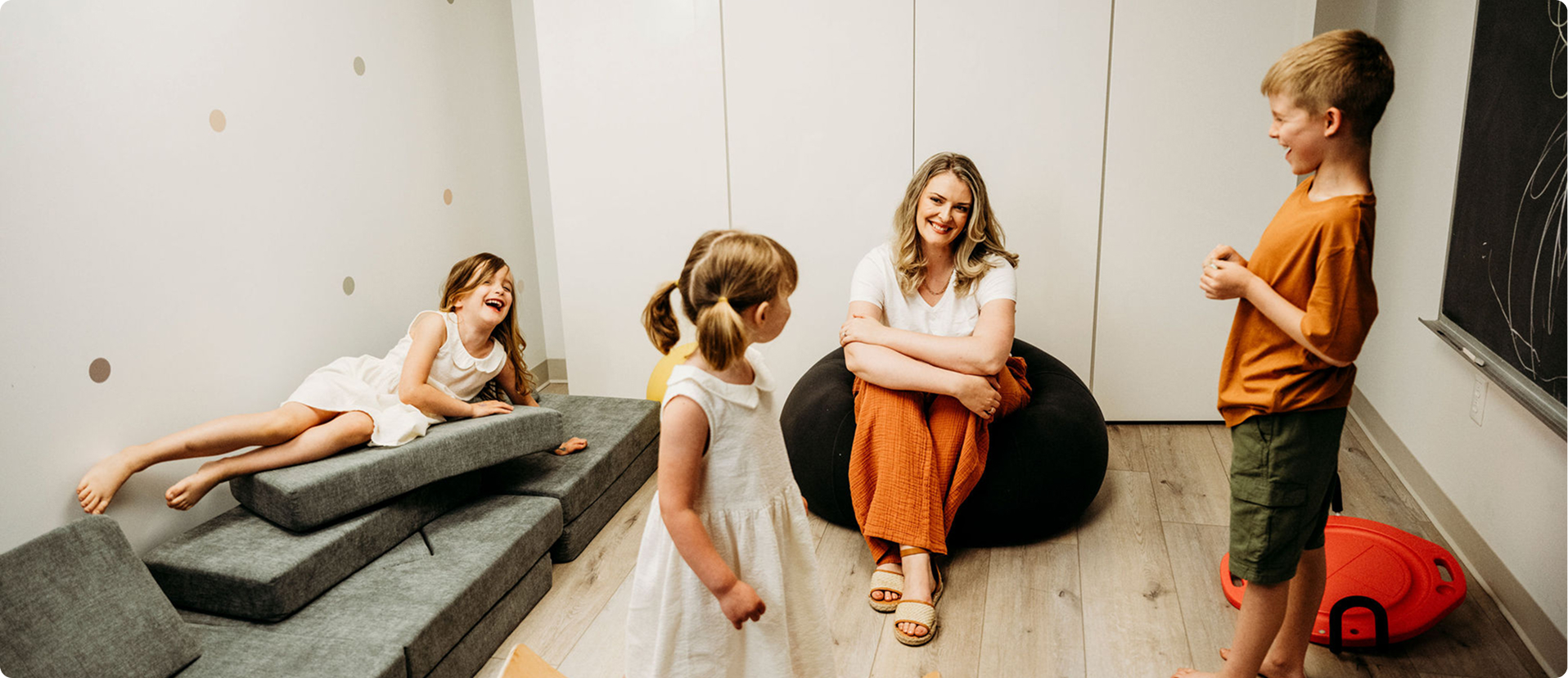
Every therapy room is different, but many are made to feel warm and welcoming.

Your child may see:

  • Toys

  • Blocks

  • Puppets

  • Art supplies

  • Games

  • Books

  • Sensory toys

  • Soft seating

  • Calming items

  • Pretend play toys

Your child may explore slowly. They may choose one toy. They may move around. They may talk a lot. They may not talk much. All of that can be okay in the first session.

What the Therapist Does During the First Session

The first session is mostly about helping your child feel comfortable.

The therapist may:

  • Greet your child warmly

  • Explain the room in simple words

  • Let your child explore

  • Join play when your child is ready

  • Ask gentle questions

  • Notice what your child enjoys

  • Help with transitions

  • Explain basic safety rules

  • Avoid pushing your child too fast

A good first session should not feel like a test. Your child does not need to perform. They do not need to answer every question. They do not need to explain everything right away. The therapist is slowly getting to know your child.

Will I Stay With My Child During the First Session?

This depends on your child’s age, comfort level, and the therapist’s approach.

Some children want a parent nearby at first. Some children separate easily. Some may start with the parent in the room and then try a short time alone. Some may need more time before they feel ready. There is no one perfect way.

The goal is to help your child feel comfortable while also giving the therapist a chance to build a connection with them.

Parent Involvement Options

Situation

What May Happen

Younger child feels nervous

Parent may stay nearby at first

Child separates easily

Child may meet the therapist one-on-one

Child has high anxiety

Separation may happen slowly over time

Parent has important updates

Therapist may speak with parent before or after

Family stress is part of the concern

Parent-child or family sessions may be included

Therapy continues

Parent check-ins may happen regularly

What If My Child Does Not Talk?

This is very common. Your child does not have to talk a lot for play therapy to help.

Some children need time before they trust a new person. Some show feelings through play before they can explain them. Some communicate through movement, drawing, facial expressions, or choosing certain toys. The therapist will not usually force your child to talk.

They may say:

  • “You can take your time.”

  • “You can show me the toys.”

  • “You do not have to answer right now.”

  • “We can just play for a bit.”

  • “I am here when you are ready.”

This helps children feel less afraid and more in control.

What If My Child Only Plays and Seems Fine?

This can happen too. Some children look happy during the session, even if they are struggling at home or school.

That does not mean therapy is not needed. Children may need time before deeper feelings show up. The therapist is still learning from the play.

They may notice:

  • What your child chooses

  • How your child handles rules

  • How they respond to winning or losing

  • What stories they create

  • How they handle frustration

  • Whether they ask for help

  • How they move from one activity to another

These small details can help shape the support plan.

What Parents Can Share With the Therapist

You do not need to bring a perfect report. Just share what feels important.

Helpful things to mention include:

  • Why you booked therapy

  • When the concern started

  • What helps your child calm down

  • What makes things harder

  • School concerns

  • Family changes

  • Your child’s interests

  • Your child’s strengths

  • What you have already tried

  • What you hope will improve

You can also share simple daily examples, such as:

  • “Mornings are the hardest.”

  • “Bedtime has become stressful.”

  • “They fall apart after school.”

  • “They get upset when plans change.”

  • “They struggle when there is too much noise.”

These details help the therapist understand your child’s real life.

What Not to Worry About in the First Session

Many parents worry before the first appointment. That is understandable.

But you do not need to worry if:

  • Your child is shy

  • Your child does not talk much

  • Your child hides behind you

  • Your child explores everything

  • Your child chooses the same toy again

  • Your child gets silly

  • Your child asks to leave

  • Your child needs a break

  • Your child does not explain feelings

The first session is the beginning. It is not a test. Your child is allowed to take time.

If your child is nervous, shy, overwhelmed, or unsure about therapy, that is okay. Play- based therapy begins with comfort, trust, and small steps.

What Happens After the First Session?

After the first session, the therapist may speak with you about next steps. They may not share every small detail of your child’s play, especially as trust grows. But they can usually share general observations and helpful ideas.

You may discuss:

  • How your child responded

  • Whether more sessions may help

  • What goals make sense

  • How often sessions may happen

  • How parents can support progress at home

  • Whether parent coaching may help

  • Whether family sessions may be useful

  • Whether school support should be considered

Therapy often works best when parents and the therapist stay connected. You do not need to have all the answers. You just need to stay involved.

How to Support Your Child After the Session

After therapy, your child may want to talk. Or they may not. Both are okay. Try not to ask too many questions right away.

Instead of saying:

“What did you talk about? What did you do? Did you tell them about school?”

Try saying:

“I’m glad you went. You can tell me anything you want, or we can just have a quiet ride home.”

You can also support your child by:

  • Keeping the rest of the day calm if possible

  • Offering food or water

  • Letting them rest

  • Avoiding pressure to explain the session

  • Listening without judging

  • Keeping the next appointment predictable

  • Asking the therapist how to help at home

Some children feel tired after therapy. Some feel playful. Some feel emotional. That can be normal.

Things Parents Can Do Before the First Visit

Before the Session

Why It Helps

Explain therapy in simple words

Helps your child know what to expect

Avoid making therapy sound like punishment

Helps reduce fear

Bring a comfort item if allowed

Helps your child feel more settled

Arrive a little early

Reduces rushing and stress

Share key concerns with the therapist

Helps guide the support plan

Tell the therapist what your child enjoys

Helps them connect with your child

Keep your own tone calm

Children often notice parent worry

Signs Play Therapy May Be Helping

Progress may be small at first.

You may notice:

  • Your child talks about feelings more

  • Meltdowns feel less intense

  • Your child asks for help more often

  • Your child handles changes a little better

  • Your child seems more confident

  • Your child uses calming tools

  • Your child sleeps better

  • School mornings feel a little easier

  • You understand your child’s needs more clearly

Progress takes time. The first session is only the starting point.

Your child does not need to explain everything with words to receive support. Through play, children can show what feels hard and begin to feel understood.

Questions Parents Can Ask the Therapist

It is okay to ask questions before or after the first session.

Question

Why It Helps

How do you help children feel comfortable?

Shows how the therapist builds trust

Will I stay in the room?

Helps you prepare your child

How do you include parents?

Shows how family support is included

What if my child does not talk?

Helps reduce worry

How often should sessions happen?

Helps with planning

How will we know if therapy is helping?

Helps set realistic expectations

Do you support autism, ADHD, or sensory needs?

Helps make sure the approach fits your child

What can we do at home between sessions?

Gives parents practical support

What to Look for in a Play Therapist

A good play therapist should help both you and your child feel respected.

Good signs include:

  • They speak gently with your child

  • They do not pressure your child to talk

  • They explain things clearly to parents

  • They respect your child’s pace

  • They understand big feelings

  • They support different communication styles

  • They include parents in a helpful way

  • They focus on your child’s strengths

  • They make the space feel welcoming

  • They adapt support to your child’s needs

Warning signs include:

  • Your child is shamed for not talking

  • The therapist only focuses on “bad behaviour”

  • Parents are not listened to

  • Your child is pushed too quickly

  • The therapist uses confusing language

  • Your child’s sensory needs are ignored

  • Every child is treated the same way

How Second Nature Family Supports Kids Through Play-Based Therapy

At Second Nature Family, play-based support is warm, child-friendly, and built around each child’s needs.

Children may come for support with:

  • Anxiety

  • Autism

  • ADHD

  • Big emotions

  • Behaviour concerns

  • School stress

  • Social struggles

  • Communication differences

  • Sensory needs

  • Family changes

  • Confidence

Support may include:

Support Area

How It Can Help

Play-based therapy

Helps children express feelings in a natural way

Child counselling

Gives children a safe place to feel understood

Parent coaching

Helps parents support their child at home

Family therapy

Supports communication and connection in the family

Occupational therapy

Helps with sensory needs and daily skills

Speech therapy

Supports communication and language

School support

Helps families think about learning needs

Child-friendly care

Respects how each child thinks, feels, and communicates

The goal is not to make children feel like something is wrong with them. The goal is to help them feel seen, supported, and more confident.

A Simple Way to Remember Play Therapy

Play therapy asks:

“What is this child showing us through play?”

Not:

“Why won’t this child just explain it?”

Children do not always have the words for worry, sadness, anger, fear, or stress. But they often play. And through play, they can begin to show what they need.

If you are an Ottawa or Kemptville parent wondering whether play therapy is right for your child, Second Nature Family can help you take the first step with care and clarity.

Conclusion

Your child’s first play therapy session does not have to be scary.

  • They do not need perfect words.

  • They do not need to explain everything.

  • They do not need to perform.

  • The first session is about helping your child feel comfortable and understood.

For many children, play is the easiest way to begin.

If your child is struggling with anxiety, autism, ADHD, sensory needs, big emotions, school stress, or family changes, play therapy may offer a gentle place to start.

For Ottawa and Kemptville families, Second Nature Family offers play-based support that helps children feel understood while giving parents guidance too.

Your child deserves support that meets them where they are. And you do not have to figure it out alone.

Anastasia Machan

Anastasia Machan

Founder Second Nature Family

📅 02 Jul 2026
Testimonials

second nature school testimonials

Stories from the parents and children who call Second Nature home.

quote

Second Nature has been a place where my son is welcome, just as he is. That alone changed everything for our family.

T
Trish - Parent
quote

Dealing with our son's challenging behaviour had become overwhelming for our family. It felt like every day was a battle. Second Nature helped us find a way forward. We feel supported by their community.

A
Adam - Parent
quote

We finally found a space that feels safe, gentle, and deeply understanding. Our child feels seen here, and that has made all the difference.

M
Maria - Parent
quote

The team truly understands neurodivergent families. We never feel judged, only supported and guided with compassion.

S
Sarah - Parent
From The Journal

You May Also Like

What Does “Neuro-Affirming” Actually Mean? A Parent’s Guide for Ottawa Families
Anastasia Macha
by Anastasia MachaJuly 02, 2026

What Does “Neuro-Affirming” Actually Mean? A Parent’s Guide for Ottawa Families

FAQs

Frequently Asked

A few of the things families ask us most. Don't see yours? We'd love to hear from you.

The first play therapy session usually helps your child feel comfortable. The therapist may talk with the parent, introduce the child to the room, offer toys or creative activities, and begin getting to know the child.

We use cookies to improve your browsing experience. You can accept all, reject all, or manage your preferences.